70% of Utah flooding hits outside hazard zones, and homeowners policies skip flood, quake and mudslide. Get the fixes. Call (801) 622-2626.

A $1M key person or buy-sell policy on a healthy 40-year-old owner runs about $86-$109/month. See which buy-sell structure fits. Call (801) 622-2626.
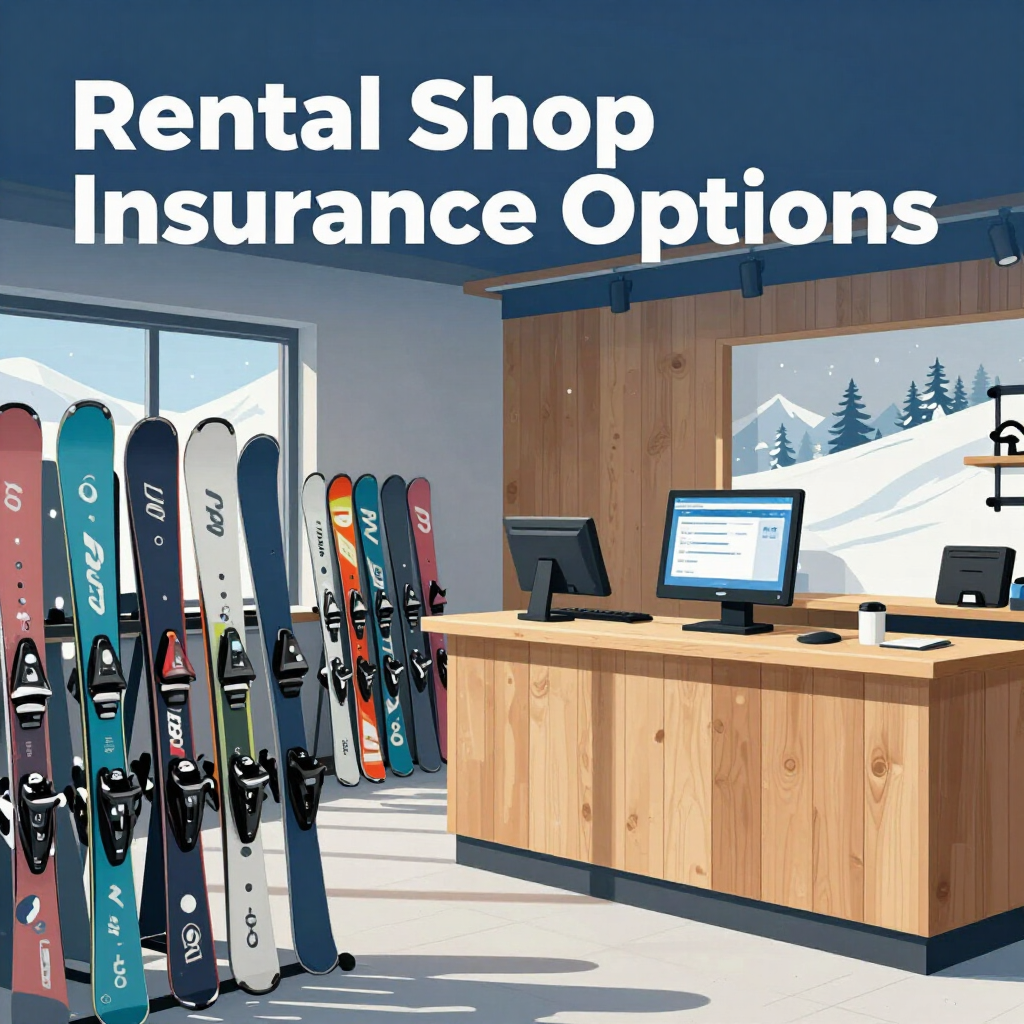
Ski and snowboard rental shop insurance runs $1,000 to $5,000+ a year. See what drives the cost and Utah's liability gap. Call (801) 622-2626.
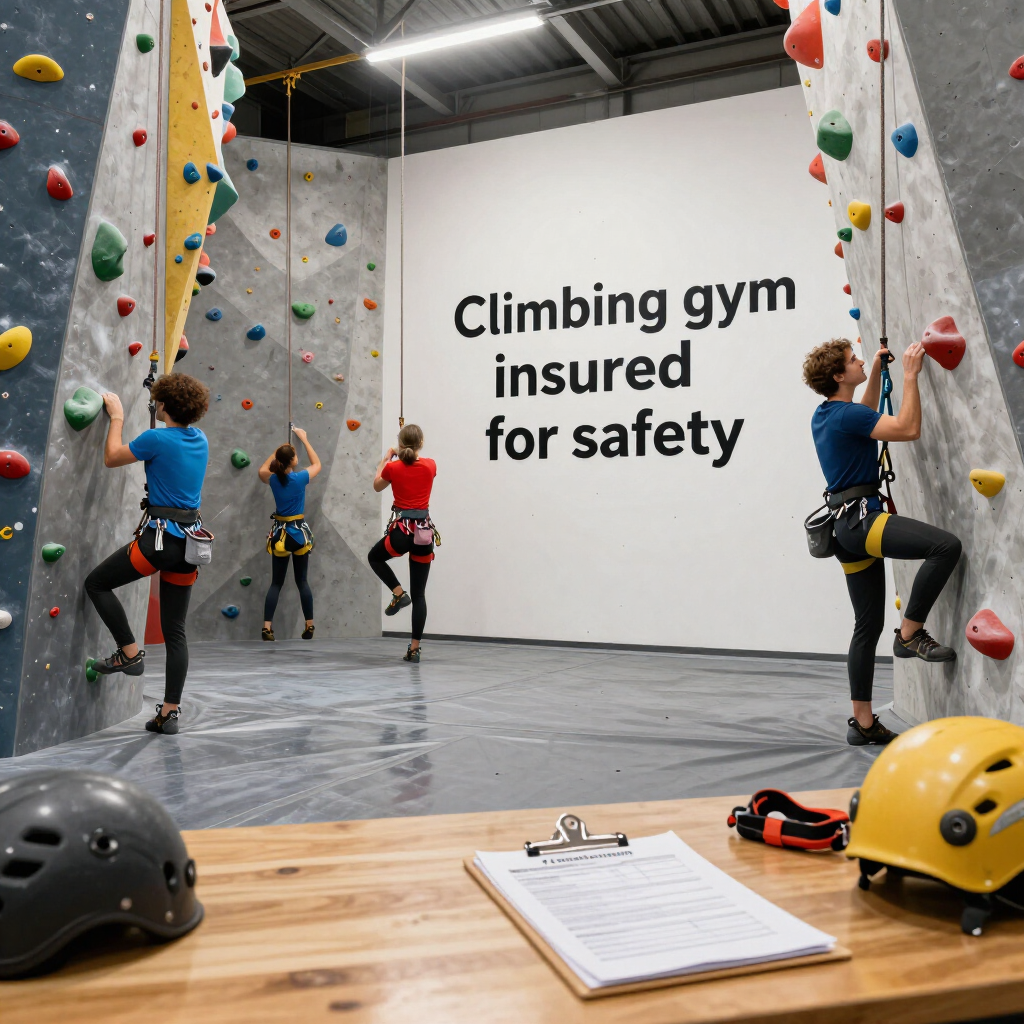
Climbing gym insurance starts at a $5,000 minimum premium in Utah. See what drives the cost and how to lower it. Call (801) 622-2626.
Property management E&O insurance runs a $996/year median/ per Insureon. See what drives it and why GL alone falls short. Call (801) 622-2626.
Utah bars and restaurants must carry $1M in liquor liability insurance. See what coverage actually costs and how to get quoted. Call (801) 622-2626.

Utah's contractor insurance requirements jumped from $100K to $1 million in 2026. See what changed, what it costs, and what to do next. Call (801) 622-2626.
Frustrated with your insurance agent? Switching costs $0 and won't touch your policy or rate. See how, or call The Insurance Center at (801) 622-2626.
FEC insurance premiums are spiking up to 1,000% nationwide. See what's driving the hard market and how IATP Insurance helps parks get covered. Call (801) 622-2626.
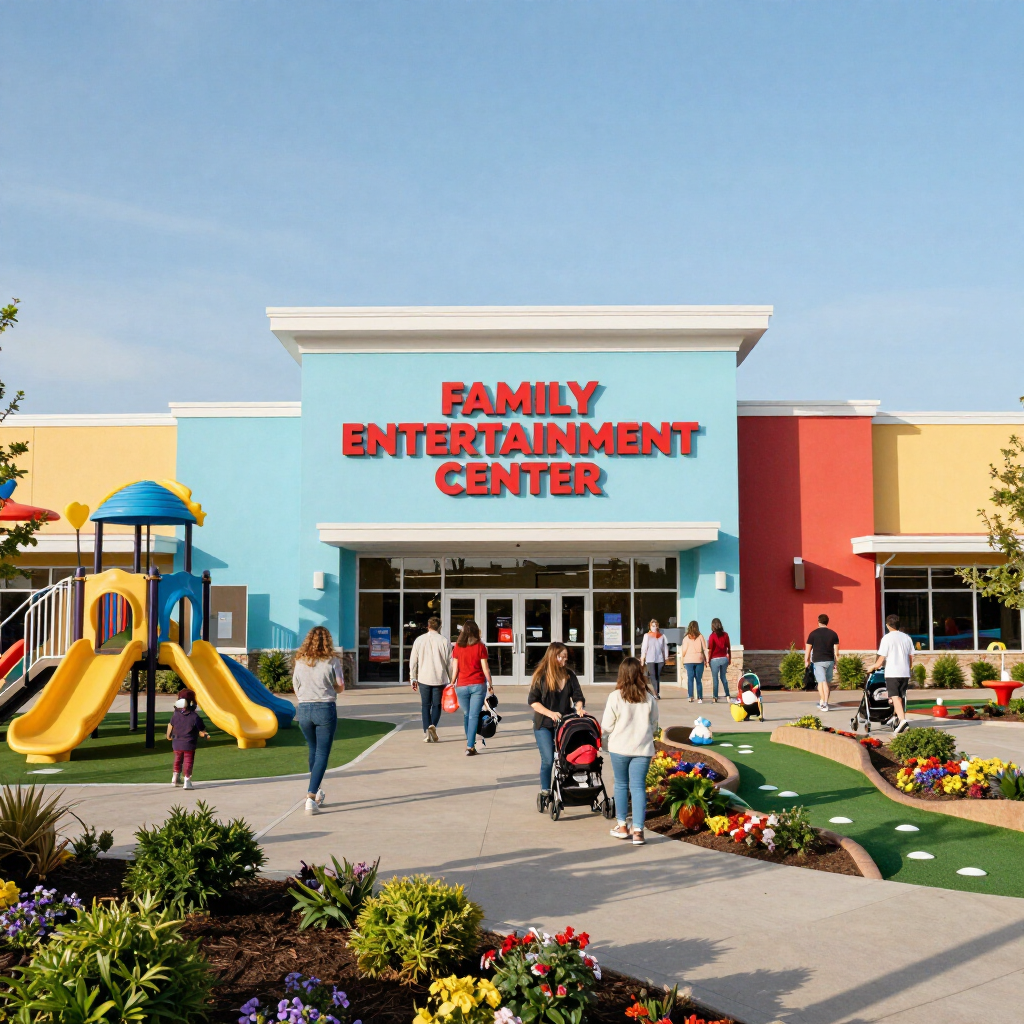
Family entertainment center insurance runs $25K-$65K a year for multi-attraction venues. See Utah coverage rules and required policies. Call (801) 622-2626.

A healthy 30-year-old pays about $31-$38/month for life insurance, not the $300+ most people guess. See real 2026 rates or call (801) 622-2626.

See what makes The Insurance Center one of Utah's best independent insurance agencies: 31 years local, 60+ carriers, 4.9 stars. Call (801) 622-2626 for a free quote.
Repair costs are up 40% since 2020, and that's the real reason your Utah premium keeps climbing even as your car ages. See what's actually driving it.

Utah law lets insurers use your credit for a discount only, never a rate hike. See what Utah Code 31A-22-320 actually protects and what it doesn't.
Miss Utah's 30-day security deposit deadline and you owe a $100 penalty on top of the deposit. See all 5 rules every Utah landlord needs to know.

Utah drivers who shop coverage save $1,000+ a year on average. See the 5 real reasons an independent agency finds that money and a captive agent can't.
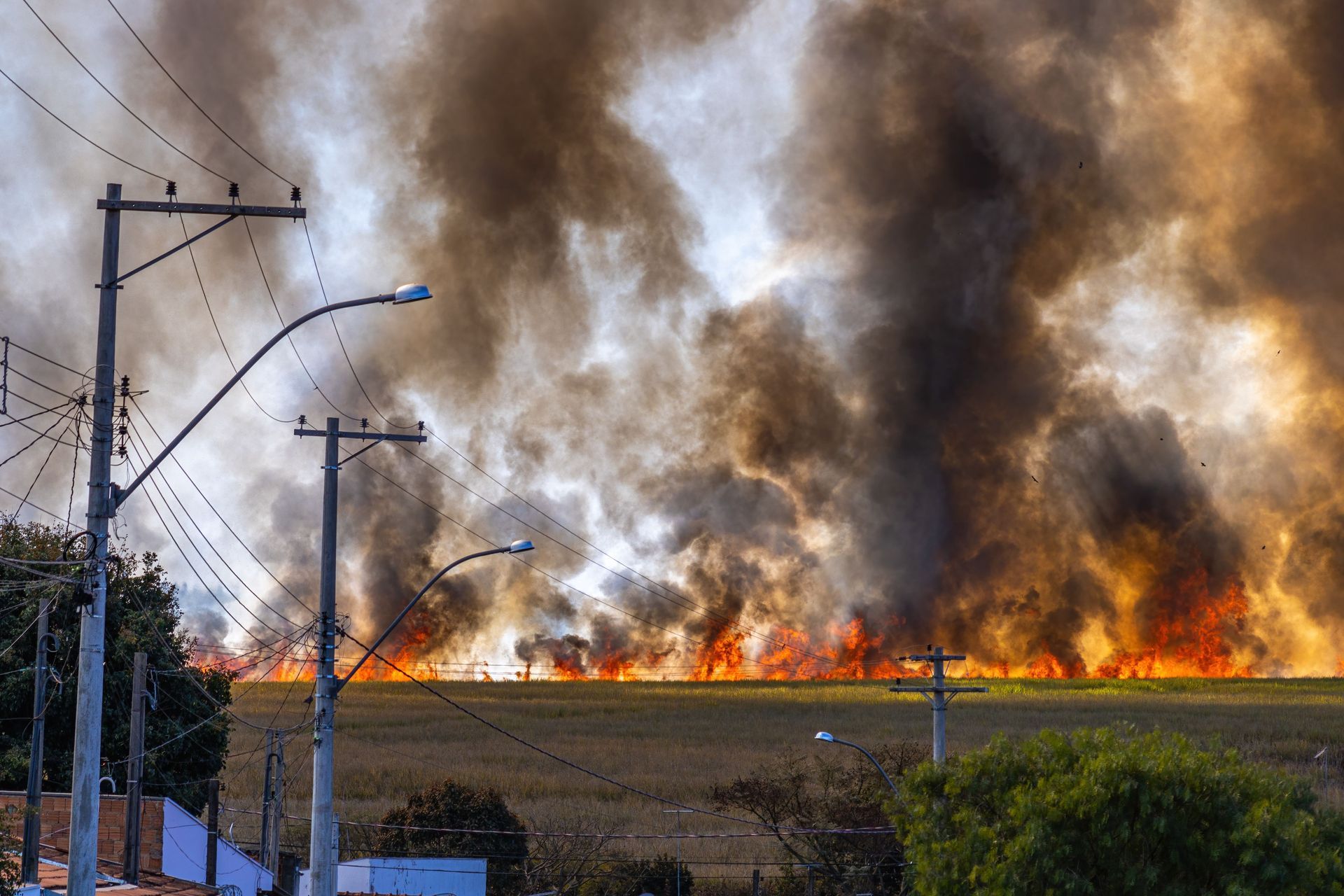
Utah's wildfire fee doesn't start until January 2027, not 2026. Learn who pays, how much it costs, and what HB 48 means for your homeowners insurance.
Car Insurance in Salt Lake City: What Utah Law Requires, What It Actually Costs, and How to Pay Less
See what Utah law requires, what Salt Lake City drivers actually pay, and how an independent agent can find you a better rate. Call (801) 622-2626.
If you haven't called your insurance agent since 2024, there's a decent chance your car insurance changed without you doing anything at all. Utah's minimum car insurance requirements went up on January 1, 2025, under House Bill 113, and most existing policies updated automatically at renewal. That sounds like good news, and mostly it is. But automatic doesn't mean adequate, and a lot of Utah drivers are still carrying coverage that wouldn't come close to covering a serious accident. The short answer: Utah's new minimum is 30/65/25, up from 25/65/15. That's $30,000 in bodily injury coverage per person, $65,000 per accident, and $25,000 in property damage per accident. It's more than before. It's still not much. Here's what actually changed, what it means for your policy, and where the real gaps are. What Utah's Minimum Car Insurance Requirements Actually Are Now Utah's liability minimums rose from 25/65/15 to 30/65/25 when HB 113 took effect January 1, 2025. In plain terms: if you cause an accident, your policy now has to cover at least $30,000 for injuries to one person, $65,000 total for everyone injured, and $25,000 for damage to the other vehicle or property. If you already had a policy before that date, you didn't need to do anything. Insurers were required to bump every existing policy up to the new minimums at its first renewal in 2025. If you haven't shopped your coverage since, your policy is very likely sitting at 30/65/25 right now, whether you asked for it or not. Utah also requires drivers to carry personal injury protection, often called PIP, of at least $3,000 per person. Utah is a no-fault state for medical claims up to that threshold, meaning your own PIP coverage pays your medical bills after an accident regardless of who caused it. Why "Minimum" Doesn't Mean "Enough" The state minimum is a legal floor, not a real estimate of what an accident costs. A single hospital visit after a serious crash can run well past $65,000, and a newer vehicle alone can exceed $25,000 in value before you factor in any other property damage. If a claim against you costs more than your policy limits, you're personally responsible for the difference. That means your savings, your home equity, even future wages can be at risk through a judgment. Utah's new 30/65/25 minimum closes part of that gap compared to the old 25/65/15 standard, but it still leaves plenty of room for a bad accident to outrun your coverage. This is the conversation an independent agent should be having with you at renewal, not just confirming your policy meets the new legal number, but asking whether that number actually protects what you have. What the State Minimum Doesn't Cover: Your Own Vehicle Utah's 30/65/25 requirement is entirely about the damage you cause to other people and their property. It says nothing about your own car. Liability-only coverage means that if you cause an accident, your insurer pays the other driver, not you. Repairing or replacing your own vehicle after a crash you caused requires collision coverage, and comprehensive coverage handles everything else: hail, theft, a deer in the road, a cracked windshield. Neither is required by Utah law. If you're financing or leasing your vehicle, though, your lender almost certainly requires both, and even on a paid-off car, dropping collision and comprehensive to save money can be a costly bet if you can't afford to replace the vehicle out of pocket. The Coverage Most Utah Drivers Don't Realize They Can Reject Uninsured motorist coverage protects you if someone without insurance, or without enough insurance, causes an accident and you're the one left holding the bill. In Utah, it's included in every auto policy by default. You have to reject it in writing, on a form your insurer provides, and that rejection includes a required explanation of what you're giving up. Utah's uninsured driver rate is actually one of the lowest in the country. The Insurance Research Council put it at roughly 6% in its most recent state-by-state study, well under the national average. That's a genuinely good number for Utah drivers. But it's not zero, and it doesn't account for underinsured drivers, people who carry a policy but only at the state minimum. Nationally, the Insurance Research Council found that one in three drivers were uninsured or underinsured in 2023, a combined rate that's climbed 10 percentage points since 2017. If the other driver in your accident is carrying 30/65/25 and the damage is worse than that, underinsured motorist coverage is what closes the gap on your end. If you rejected uninsured motorist coverage years ago to save a few dollars a month, it's worth asking your agent to add it back. The rejection doesn't expire on its own. It stays in place until you request the coverage again in writing. How Much Coverage Should You Actually Carry The honest answer depends on what you have to protect, not what the state requires. A driver with no savings and no home has less financial exposure than a homeowner with equity and a retirement account. Both are legally covered at 30/65/25. Only one of them is actually protected. An independent agent can walk through your specific situation, your assets, your driving history, whether you have teen drivers on the policy, and recommend limits that make sense for you rather than a one-size number set by the legislature. For many Utah homeowners, that conversation also includes an umbrella policy, which extends liability protection well beyond your auto and home limits for a relatively small annual cost. Ask your agent whether it makes sense for your situation. This matters more the more you have. A renter with an older car and no other assets is a very different risk than a homeowner with equity, retirement savings, and a couple of teen drivers on the policy. The state minimum treats both the same. A good agent won't. What Farr West and Heber Valley Drivers Should Do Now Pull out your current auto declarations page and check your actual liability limits. Don't assume your renewal notice caught everything. If you're still showing anything below 30/65/25, your policy is out of compliance with Utah law and needs to be fixed immediately. Beyond compliance, ask your agent two questions: are my limits enough to protect what I actually own, and do I have uninsured and underinsured motorist coverage on the policy. An independent agency like The Insurance Center can walk through both questions and shop your coverage across multiple carriers if your current limits or your current price don't add up. Frequently Asked Questions What are Utah's minimum car insurance requirements in 2026? Utah requires liability coverage of at least $30,000 per person and $65,000 per accident for bodily injury, plus $25,000 for property damage, commonly written as 30/65/25. Drivers must also carry at least $3,000 in personal injury protection. Did my car insurance automatically update to the new Utah minimums? Yes, if you had an existing policy before January 1, 2025, Utah law required your insurer to raise it to the new 30/65/25 minimum at your first renewal that year. Most Utah drivers are already covered at the new limits without having done anything themselves. Can I reject uninsured motorist coverage in Utah? Yes, but only in writing, on a form your insurer provides that explains what the coverage does. Without that written rejection, uninsured motorist coverage is automatically included in every Utah auto policy. What happens if I cause an accident that costs more than my policy limits? You're personally responsible for the difference. A judgment against you can reach savings, home equity, and future wages, which is why many drivers carry limits well above the state minimum or add an umbrella policy. How many Utah drivers are uninsured? About 6%, according to the Insurance Research Council's most recent state study, one of the lowest rates in the country. Underinsured drivers are a separate and larger risk: nationally, roughly one in three drivers are uninsured or underinsured combined. The Bottom Line Utah's minimum car insurance requirements went up for a real reason: the old numbers hadn't kept pace with what accidents actually cost. But a legal minimum was never designed to be a personal financial plan. Check your declarations page, confirm your uninsured motorist coverage is actually in place, and talk to an agent who can tell you what coverage your specific situation calls for instead of just what the law requires. Ready to see where your coverage actually stands? Call The Insurance Center at (801) 622-2626 or reach out to our Farr West or Heber Valley office. We'll review your policy, check your limits against the new Utah minimums, and shop your coverage across multiple carriers if it makes sense. About the Author: Jett Iverson is the Director of Marketing at The Insurance Center, an independent insurance agency serving Northern Utah since 1995. He works alongside licensed agents to help Utah families and businesses understand their coverage options and make confident insurance decisions.
Adding a teen driver in Utah adds $5,327 a year to the average policy. See real discounts that cut the cost. Call (801) 622-2626."
If your homeowners insurance renewal came in higher than usual this year, or you're wondering whether a new wildfire fee is about to show up on your bill, here's what's actually happening. On January 1, 2026, Utah's Division of Forestry, Fire and State Lands rolled out its first-ever statewide wildfire risk map, officially called the High-Risk Wildland-Urban Interface map, and under House Bill 48, every property insurer doing business in the state now has to reference that map when pricing wildfire risk. About 60,000 structures across Utah landed inside the new high-risk boundary. If yours is one of them, you may already be feeling it through a bigger premium or a non-renewal notice. The annual fee tied to the map is a different story: it hasn't started billing anyone yet. Lawmakers pushed that piece back a full year, to January 1, 2027. We've been fielding a lot of calls about this at The Insurance Center, especially from clients in the foothill communities around Weber County and the growing subdivisions pushing into the hills near Heber Valley. Most people had no idea the map existed until their renewal notice showed up looking different. So here's what actually changed, what it means for your coverage, and what to do about it. What Is Utah's New Wildfire Risk Map? The map comes from the Utah Division of Forestry, Fire and State Lands, known as FFSL, the state agency responsible for wildfire management. Lawmakers required FFSL to build it under HB 48, and it went live for the first time at the start of 2026. FFSL built the map using a structure exposure score on a scale of 1 to 10. Properties that scored a 7 or higher, and that sit within 250 meters of two or more other structures, landed inside the official High-Risk Wildland-Urban Interface boundary. That combination of score and proximity is what pulled roughly 60,000 structures statewide into the high-risk category, according to FFSL's initial count when the map went live. This isn't the same as the wildfire risk models individual insurance companies already use internally. It's a separate, state-built layer that carriers are now required to check in addition to their own data. You can look up your own address at wildfirerisk.utah.gov to see exactly where your property falls. Why This Matters Even If You're Not in the High-Risk Zone Wildfire risk is only part of a bigger rate story in Utah. Home insurance premiums here climbed a cumulative 70.6% between 2019 and 2024, the second-largest increase of any state behind only Colorado, according to rate tracking from Insurance Geek. Carriers that concentrated their business in southern Utah and along wildland-urban interface corridors absorbed disproportionate losses from fire, hail, and windstorm claims, and they've spent the last few years pulling back or repricing to catch up. There's some relief showing up in 2026. A few carriers, including Openly, have started capping renewal increases and offering more competitive new-business rates for Utah homeowners. But that relief isn't evenly distributed. If your property sits inside the new high-risk WUI boundary, you're less likely to see that softening, and more likely to see a carrier exit your zip code altogether. That's exactly why HB 48's notice-and-justification requirement matters: it gives you a paper trail when the reasoning behind a rate hike isn't obvious. How HB 48 Changes What Your Insurer Can Do Before HB 48, each insurance company set its own wildfire risk criteria, and there was no consistent standard across the state. Now, insurers writing homeowners policies in Utah have to reference the state's high-risk WUI boundary as part of their underwriting decisions. It doesn't replace their own risk models, but it adds a layer they can't ignore. The bill also adds a consumer protection that didn't exist before. If your insurer raises your premium by 20% or more, or drops your coverage, and cites wildfire risk as the reason, the company has to provide notice and justify that decision based on the facts behind it, if you ask for it. In plain English: if your rate jumps sharply and wildfire risk is the stated reason, you have the right to ask why and get a real answer, not just a form letter. That doesn't mean your carrier can't still raise rates or decline to renew. It means there's now a documented process behind that decision instead of a black box. How Much Is Utah's New Wildfire Mitigation Fee, and Has It Started? Not yet. Even though the risk map has been live since the start of 2026, the fee tied to it hasn't started billing anyone. Governor Spencer Cox signed House Bill 41 in March 2026, delaying the fee's original January 1, 2026 start date by a full year, to January 1, 2027. The extra time gives cities and counties a window to petition FFSL to amend the high-risk boundary before the fee applies to anyone inside it. Once billing starts, expect $20 to $100 per structure per year for 2026 and 2027 rates, based on the square footage of taxable structures on the property, for properties inside the high-risk WUI boundary. Starting in 2028, the fee formula shifts to incorporate an individual triage assessment along with square footage. The money doesn't just disappear into the state's general fund. It goes into the Utah Wildfire Fund, a dedicated fire prevention and mitigation fund that pays for lot assessments and defensible-space work, the kind of prevention that actually reduces the odds of a structure burning when a wildfire does move through. Can You Lower Your Risk Score or Reduce the Fee? Yes, and this is the part most homeowners don't know about yet. Property owners inside the high-risk WUI boundary can request a certified lot assessment. A trained assessor comes out, evaluates things like vegetation clearance, roofing material, and defensible space around the structure, and gives you a specific mitigation plan. If you complete that mitigation work, meaning you clear brush, create defensible space, or make other changes the assessor recommends, you can request a reevaluation. A completed assessment is good for five years, and if your risk profile improves enough, your fee will be lower once billing begins. Here's the part worth remembering: this same mitigation work often matters to your insurance carrier too. Underwriters who see documented defensible space and recent mitigation work sometimes have more flexibility on renewal terms than they would for an untouched property. It's not a guarantee, every carrier weighs it differently, but it's rarely a bad idea. What Farr West and Heber Valley Homeowners Should Do Right Now Start by checking your address at wildfirerisk.utah.gov. Don't assume you're in the clear just because your neighborhood doesn't feel remote. Some of the properties that landed in the high-risk boundary are in growing subdivisions that back up to open space, not just rural acreage. If you're inside the boundary and your renewal came back with a steep increase or a non-renewal notice, don't just accept the first answer. Ask your carrier for the notice and justification required under HB 48 if the increase hit that 20% threshold. And talk to an independent agent before you assume you're stuck. This is where being independent actually matters. The Insurance Center isn't tied to one carrier, so when a company pulls back from writing high-risk WUI properties, we're not stuck waiting for that same carrier to change its mind. We shop multiple companies to find one that will still write your coverage, often at a better price than you'd expect. As a Big "I" Best Practices agency, we hold ourselves to a professional standard that most agencies don't bother with, which matters most exactly in situations like this one, where the easy answer isn't always the right one. If you've gotten a lot assessment or done mitigation work, bring that documentation when you talk to your agent. It's useful leverage in the conversation, even if it doesn't change every carrier's decision. Frequently Asked Questions Q: How do I know if my home is in Utah's high-risk wildfire zone? A: Check your exact address at wildfirerisk.utah.gov, the state's official wildfire risk portal. Properties with a structure exposure score of 7 or higher on the state's 1-to-10 scale, that also sit within 250 meters of two or more other structures, fall inside the official High-Risk Wildland-Urban Interface boundary created under HB 48. Q: How much is Utah's new wildfire mitigation fee, and has it started? A: The fee hasn't started billing yet. House Bill 41, signed in March 2026, delayed the original January 1, 2026 start date to January 1, 2027. Once it begins, expect a flat $20 to $100 per structure for 2026 and 2027 rates, based on square footage, for properties inside the high-risk WUI boundary. Starting in 2028, the formula shifts to include an individual triage assessment. Q: Can my insurance company drop me because of the new wildfire map? A: Yes, insurers can still decline to renew a policy citing wildfire risk. What changed under HB 48 is the process: if a carrier raises your premium 20% or more or drops your coverage for wildfire risk, it has to provide notice and justification if you request it. Losing coverage is still possible, which is why shopping with an independent agent matters. Q: Does homeowners insurance cover wildfire damage in Utah? A: Most standard homeowners policies cover fire damage, including wildfire, as a named peril. Some carriers writing in high-risk WUI zones have started excluding wildfire coverage specifically or requiring separate endorsements. Coverage varies by policy and carrier, so ask your agent to confirm exactly what your policy includes. Q: Can I reduce my wildfire risk score or mitigation fee? A: Yes. Property owners in the high-risk boundary can request a certified lot assessment, complete recommended mitigation work like clearing vegetation and creating defensible space, and then request a reevaluation. Assessments are valid for five years, and a lower risk score can reduce your annual fee. The Bottom Line Utah's new wildfire map and HB 48 aren't going away, and more homeowners are going to feel their effects as renewals roll through 2026. The upside is that the process is more transparent than it used to be. You can check your exact risk status, you have a right to ask why your rate changed, and there are concrete steps you can take to lower your risk score over time. The one thing you shouldn't do is assume your current policy is your only option. Ready to review your homeowners coverage in light of Utah's new wildfire map? Call The Insurance Center at (801) 622-2626 or request a free quote today . We'll shop multiple carriers to find coverage that actually fits your property, wherever it falls on the map. About the Author: Jett Iverson is the Director of Marketing at The Insurance Center, an independent insurance agency serving Northern Utah since 1995. He works alongside licensed agents to help Utah families and businesses understand their coverage options and make confident insurance decisions. Coverage details and availability vary by policy, carrier, and state. This post is for educational purposes. Contact a licensed insurance agent at The Insurance Center for advice specific to your situation.
Protect your paycheck with disability insurance. Learn how short and long-term coverage replace income after illness or injury and help fill employer coverage gaps.
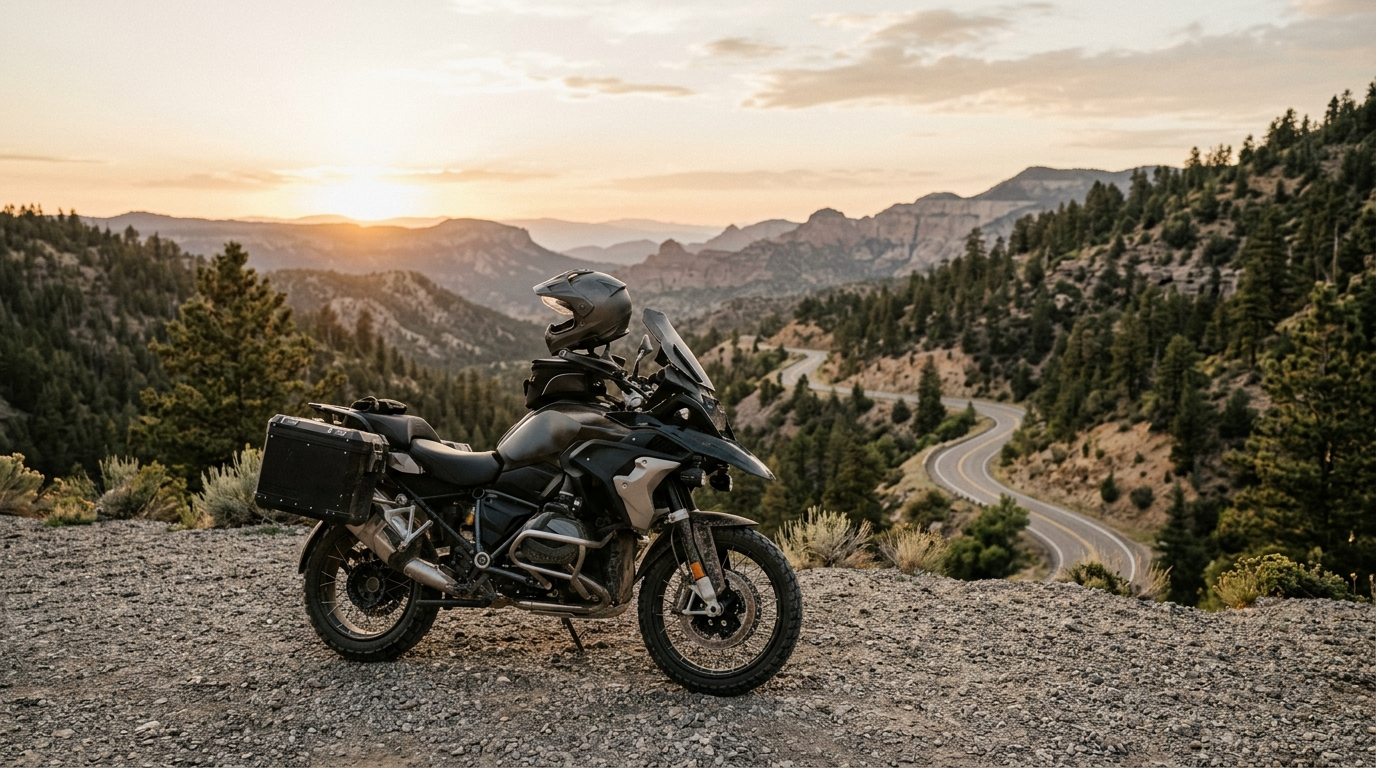
Utah motorcycle insurance runs $150 to $2,000+ a year. See the state's minimum requirements and how to find the cheapest rate for your bike. Free quote: (801) 622-2626.
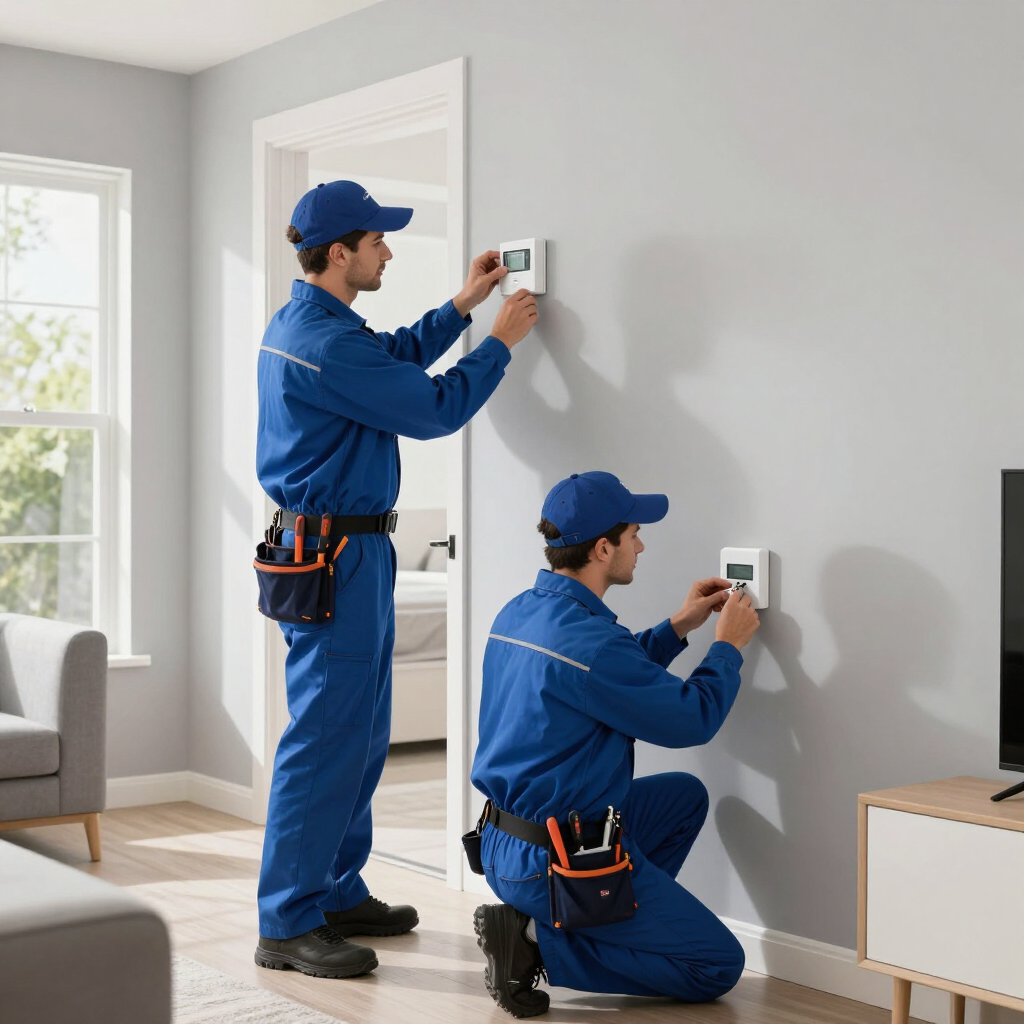
Alarm and low-voltage contractors pay $1,500-$6,000/yr for insurance. See coverage types you need, rate drivers, and E&O requirements. Get a free quote.

Discover 5 reasons Utah families save more with The Insurance Center vs big-name carriers. Get your free quote today.

Standard business insurance won't cover trampoline park risks. Learn the specialized coverages your facility needs.
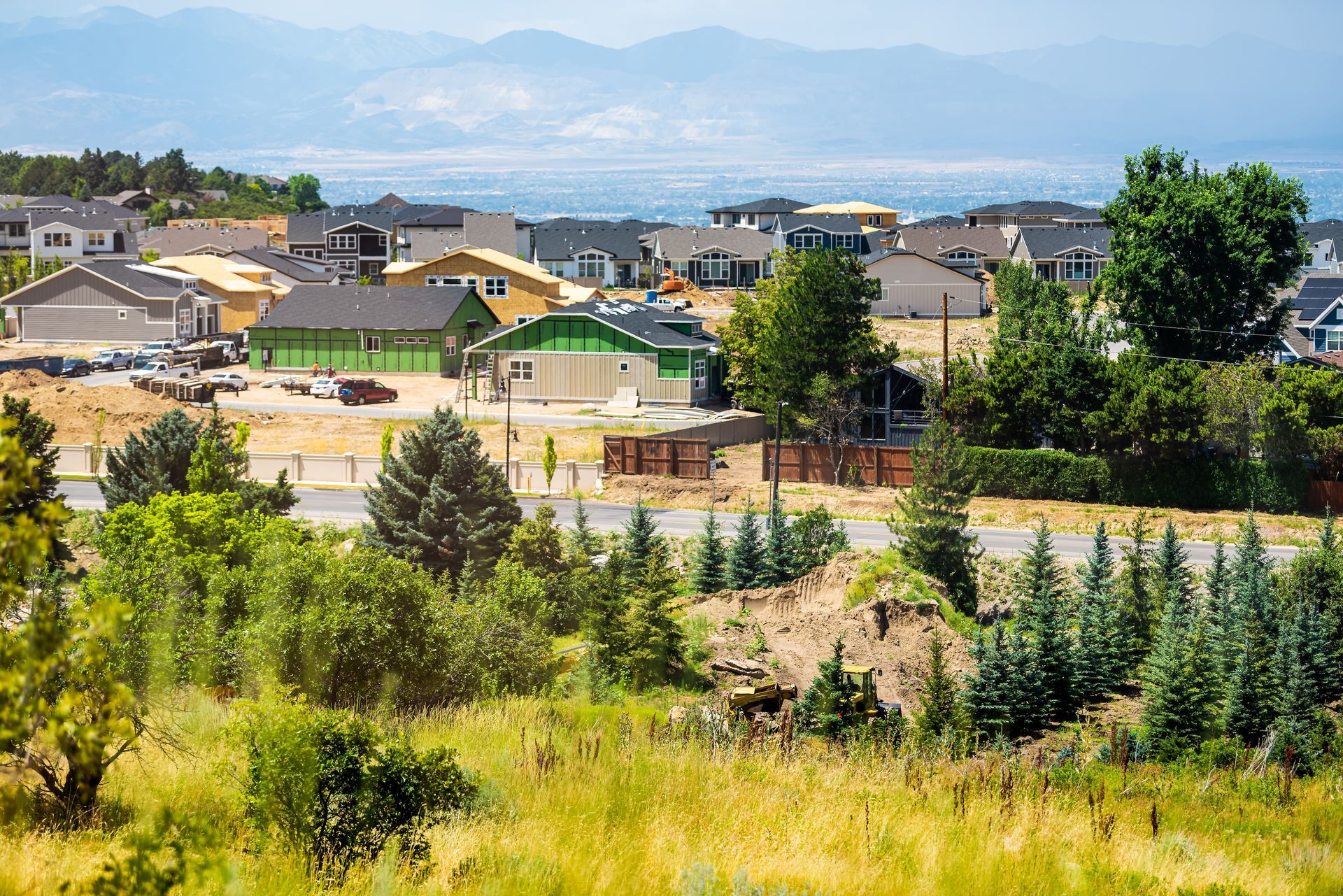
Ice dams, burst pipes, and snow load can devastate your home. Learn what Utah homeowners need to know before winter hits.

I’m pretty confident that if you asked anyone who has ever owned a rental property you would get an overwhelming response that it’s not as lucrative or easy as they thought it would be. In fact, owning a rental property can be a major pain, and end up costing you a ton of money! I […]

I was recently asked this question by one of our The Insurance Center clients, and thought I would share the answer here for our readers. There are a lot of things that go into homeowners and auto insurance rates, one of them being credit. I’ve heard a lot of complaints from people who don’t like the […]
Why do my auto insurance rates keep going up even though my car is getting older? At The Insurance Center, many of our clients ask this question so I would like to address it from a couple of angles. First things first, even though it’s called car/auto insurance, it covers more than just your car. […]